April-May 2026 Google Algorithm Updates: 3 Critical SEO Changes You Can't Ignore
The April-May 2026 Google algorithm updates bring 3 critical changes affecting user experience, AI content detection, and link quality. Learn how to adapt…

The most overlooked ranking criteria in the April-May 2026 content marketing Google algorithm updates are the changes in user experience scoring, new evaluations for artificial intelligence-supported content detection, and the re-evaluation of link quality and spam signals. Although these three areas have a decisive impact on search rankings, most site managers do not sufficiently examine them. Especially teams focused on technical SEO may face unexpected ranking losses if they do not restructure their strategies in light of these updates.
During this period, innovations in user experience scoring came to the forefront with a shift in the weight of older metrics. Now, not only page load time or mobile compatibility, but also the latency of interactive elements and user behavior on the page directly affect rankings. For example, a delay experienced by a visitor while filling out a form or slow-opening menus can negatively impact rankings. In practice, implementing these improvements requires continuously monitoring real user data and quickly identifying problematic areas. Do not neglect to test how your site performs on different devices and browsers.
Overlooked Ranking Criteria in Google's April-May 2026 Updates
Innovations in User Experience Scoring
The new algorithm measuring user experience considers not only core web vitals but also the delays of interactive areas and the ease of on-page navigation. A common mistake is the belief that all resources should be visible quickly as soon as the page loads; however, with the new update, the quality of the first interaction between the user and the content has become critical. Especially for long-form content, internal links and prominent headings should be used to help users quickly find the information they are looking for.
Key user experience criteria and practical recommendations in the table:
| Criterion | Improvement Recommendation |
|---|---|
| Interaction Latency | Increase loading speed for forms, menus, and buttons |
| On-Page Navigation | Implement internal linking and sticky menus |
| Visual Stability | Fix image dimensions to prevent unexpected shifts |
Algorithm Changes in Artificial Intelligence-Powered Content Detection
For the detection of content generated with artificial intelligence, Google is more precisely evaluating language pattern analyses and content consistency. To quickly filter out duplicate or superficial content, semantic integrity and originality scores have come to the forefront. A common mistake in this area is focusing solely on keyword density while neglecting real user benefit.
To make content generated with artificial intelligence more original, regularly update your texts, cite current sources, and add topic-specific examples. Additionally, conduct regular content audits to check for contradictions between pieces of content. In the face of evolving algorithms, reviewing your content production processes and eliminating unnecessary repetitions provides a significant advantage.
Re-evaluation of Link Quality and Spam Signals
The updated algorithm values links not only by their number or diversity but also by their contextual relevance and click potential. Links from low-quality or irrelevant sites can be perceived as spam signals and negatively affect rankings. The main practical step here is to periodically review your link profile and clean up low-quality or suspicious links.
Utilize tools that evaluate the recency and source authority of links for spam signal detection. Strengthening internal links and building relevant external links are effective in preventing ranking loss. If suspicious links increase, do not neglect to disavow them in a timely manner through the search engine's webmaster panel.
April-May 2026 Google Algorithm Updates SEO Impact: Which Sites Rose, Which Declined?
With the April-May 2026 Google algorithm updates, sites with high authority that offer clear and fast responses to users experienced significant gains, while sites with low page speed, those ignoring technical errors, and those resorting to content repetition saw noticeable declines. Particularly striking were the ranking losses for sites that loaded slowly on mobile and had poor usability. During this period, platforms focused on enhancing user experience and keeping their technical infrastructure up-to-date gained an advantage.
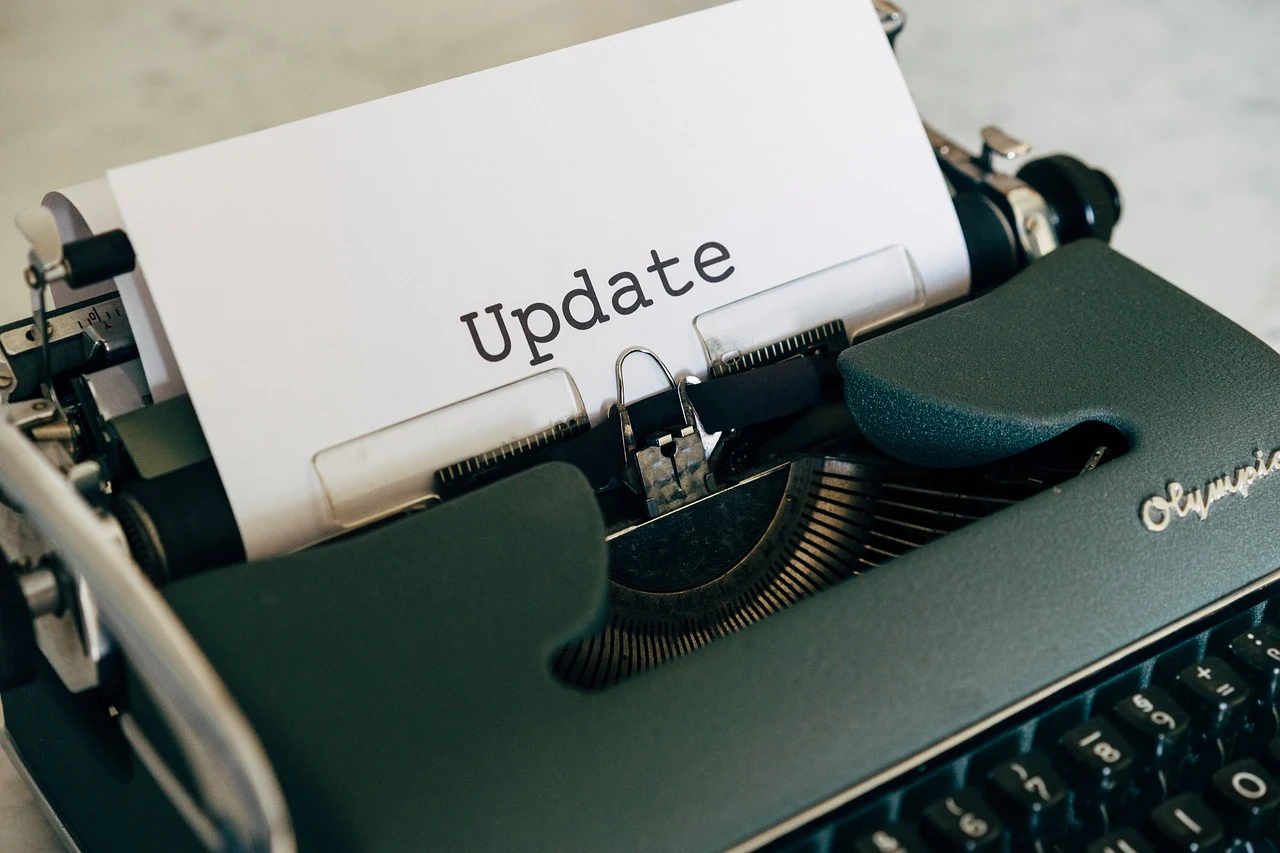
Key Changes in Technical SEO Analysis With Otomasyum
The most significant change highlighted in technical SEO analyses after the April-May 2026 updates was the positive impact of improvements in internal link structures and mobile speed on rankings. Thanks to advanced error scanning and automatic correction features, ranking increases were achieved when issues like broken links and slow-loading images were quickly identified and resolved. Furthermore, the rapid resolution of crawl budget problems detected via Google Search Console integration helped sites stay current.
| Change | Impact on Site | Solution Recommendation |
|---|---|---|
| Page speed improvement | Higher rankings | Image compression, caching |
| Cleaning broken links | Increased user satisfaction | Regular technical audit |
| Mobile compatibility | Better visibility on mobile | Responsive design, fast loading |
Concrete Examples of Ranking Losses and Gains by Sector
Platforms offering up-to-date content and prioritizing technical SEO in shopping and news sectors saw significant gains. E-commerce sites, in particular, that updated product descriptions, frequently added new content, and functioned flawlessly on mobile, stood out in rankings. Conversely, sensitive sectors like health and finance experienced serious ranking losses if they resorted to content repetition or used the same templates for titles and meta descriptions.
During this period, sites that improved page speed and provided clear information to users, regardless of sector, came to the forefront. If you are not updating old content on your site or regularly checking for technical errors, ranking losses have become inevitable. Whatever your sector, technical SEO and user-centric content are now the keys to success.
Frequently Asked Questions
What Is Google Algorithm Updates April-May 2026 SEO Impact?
With the April-May 2026 Google algorithm updates, originality and the value provided to the user are coming to the forefront in content production. Including repetition and superficial information in content negatively affects rankings. Specifically, content that delves deeply into a topic, offers practical solutions, and remains current should be preferred. One common mistake is focusing on keyword density instead of ignoring user intent.
How Is Google Algorithm Updates April-May 2026 SEO Impact Planned?
After Google algorithm changes, it is necessary to update old content. Content that is not compliant with the new changes may experience ranking loss. When reviewing content, outdated information, broken links, and missing headings should be identified and corrected. Additionally, sections that directly answer user questions and are aligned with new search habits should be added.
What Should Be Considered for Google Algorithm Updates April-May 2026 SEO Impact?
The Otomasyum platform is designed to quickly adapt to the April-May 2026 algorithm changes. Through its content analysis tools, it automatically detects low-quality or repetitive sections and provides recommendations. Furthermore, it develops algorithms to understand user intent, making content more relevant.
Otomasyum AI
Prepared by the Otomasyum content engineering and AI integration team to help you put your site on autopilot.
Something on your mind?
You can talk to our team to get more information about our content engineering processes.
Get in Touch