The Shared Secret of Sites That Rank Without an SEO Consultant
Discover how to rank without an SEO consultant using automation for keyword clusters, content gaps, and technical audits. Speed up decisions with regular d…
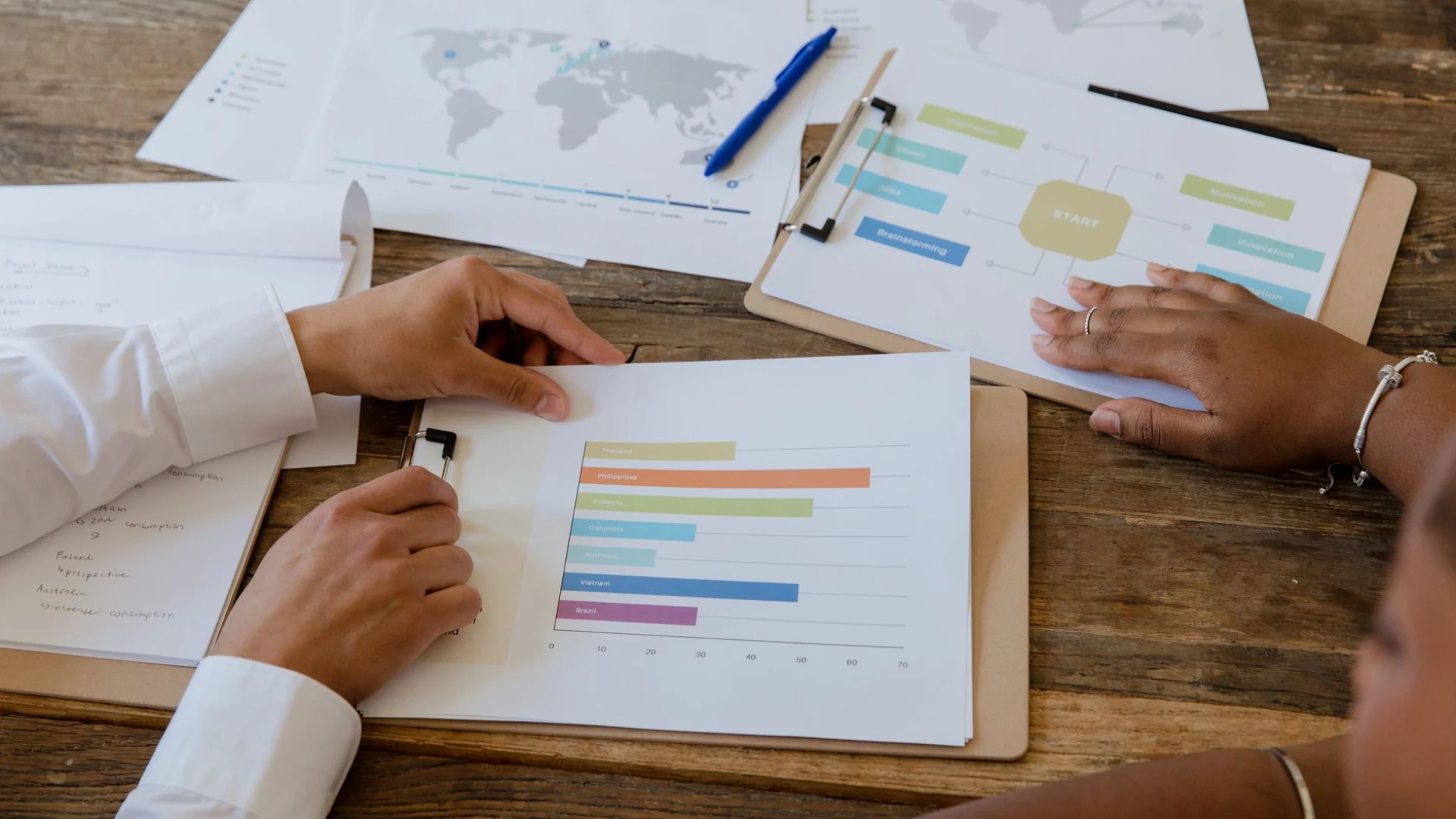
Before allocating budget to an SEO consultant, you can speed up your decisions by automating repetitive analysis tasks. When keyword clusters, content gaps, and technical issues are monitored through a regular data flow, intervention priorities become much more visible.
3 Automation Levers You Can Use While Your Competitors Pay an SEO Consultant
Tool Comparison That Extracts Keyword Cluster Analysis With Artificial Intelligence in 15 Minutes
The first lever is to produce a working file clustered by search intent instead of one-by-one keyword lists. Evaluate page types in search results, query similarity, and your existing URLs together; combine keywords serving the same intent into a single content target.
| Method | Strength | What to check |
|---|---|---|
| Spreadsheet-based analysis | Transparent classification | Manual time investment |
| AI-assisted analysis | Fast cluster suggestions | Search intent verification |
Don't turn the AI's suggestion directly into a publishing plan. Examine the content format in the top results for each cluster; if guide, category, product, or comparison intents are mixed, split the cluster. AI-powered SEO tools like Otomasyum can help you connect this process to your content planning workflow.
How to Turn Google Search Console Data Into an Automated Content Gap Report
The second lever is to set up a report that regularly reviews Google Search Console queries on a page-by-page basis. Separately flag queries that receive impressions but not enough clicks, phrases that rank but have no target page, and situations where multiple URLs appear for the same query.
Add a single action to each row in your report: improve title and description, expand the existing section, create new content, or merge similar pages. This way, the content gap report stops being a long data list and turns directly into actionable SEO tasks. Since data dimensions and metric definitions may change, check the current Search Console documentation.
Practice of Keeping Technical SEO Audits Continuously Up to Date With Weekly Automated Crawling
The third lever is not to leave technical SEO audits only until after a redesign. In weekly crawls, set up alerts for crawlability, redirect chains, broken links, duplicate titles, missing descriptions, and indexing signals.
Don't treat every alert with the same priority. First resolve crawl and redirect errors affecting pages that receive organic traffic; then schedule lower-impact tasks like duplicate titles. This routine bases SEO decisions on continuously updated site data rather than guesswork.
A Content Flow System That Replaces a Consultant for Lasting Search Ranking Gains
SaaS Setup That Generates Automatic Briefs Based on User Intent and Manages the Publishing Calendar
Lasting search ranking improvements come not from one-off content suggestions but from a flow that regularly translates user intent into a production plan. You can make publishing decisions measurable by systematizing the repetitive research, prioritization, and follow-up tasks of an SEO consultant. First, categorize your existing pages by informational, comparative, transactional, and brand-search intents. Match each keyword not only by volume but also by the target page's purpose, current ranking, and content gap on the page.

Then, in each content brief, define the target query cluster, the question the searcher wants to solve, mandatory subheadings, the need for original evidence, and internal linking targets. Divide the publishing calendar into three work queues: new content, content to update, and similar pages to merge; this prevents pages targeting the same intent from weakening each other. In AI-powered SEO platforms like Otomasyum, using keyword strategy, automated blog generation, technical SEO analysis, and GSC integration in this order brings production and visibility data together in the same workflow.
| Checkpoint | Action | Decision |
|---|---|---|
| Intent | Review search results | New page or update |
| Overlap | Find similar targets | Merge or separate |
Setup Steps for an AI-powered Recommendation Engine That Updates the Internal Link Map
When setting up an internal link recommendation engine, first inventory all important URLs by crawlability, topic cluster, and target keyword. Identify supporting pages for each main page; links should come not only from text repeating the same keyword but from descriptive phrases that move the reader to the next logical step. Give the recommendation engine separate priority rules for authoritative pages, traffic-generating pages, conversion-focused pages, and content that needs updating.
Don't publish recommendations in bulk directly; check whether each link truly completes the question on the target page. Anchor text doesn't have to match the target page's title exactly; explaining the context and avoiding artificial repetition is more valuable. Regularly monitor pages that receive impressions but no clicks in GSC data, add links from relevant strong pages, and reassess the impact of changes after a sufficient observation period.
Frequently Asked Questions
How Can I Detect Technical Errors Without an SEO Consultant?
You can detect technical errors without external SEO consultant support using search engine management tools and automated crawlers. As a first step, review the Page Indexing and Page Experience reports in the Google Search Console panel. Prioritize incorrect 301/302 redirects, pages returning 404, and critical addresses blocked by robots.txt.
| Check | Action |
|---|---|
| Page not found | Redirect to an appropriate page |
| Duplicate title | Write a distinctive title |
Then test critical conversion pages on mobile devices to check loading speed and the layout of clickable elements.
What Is an SEO Consultant?
AI-generated content alone does not negatively affect Google rankings; the real risk is unchecked template text that produces no concrete benefit for the user. You should publish each text by verifying technical claims, statistics, and process steps with the rigor of an SEO consultant.
Add real product experiences, case examples, and original image descriptions to the texts. After publication, track the page's impressions and average position data in Search Console and quickly update sections that don't meet the target.
How Do You Plan Without an SEO Consultant?
Achieving organic traffic growth with a small team depends on the site's existing technical infrastructure and the competition in the targeted industry. Generally, the first measurable movement begins within 8 to 12 weeks after crawlability and indexing issues are resolved.
Track impressions, clicks, and newly indexed pages weekly. Instead of changing the entire site at once, making focused improvements on 5-10 high-potential pages yields the fastest results with limited resources.
Otomasyum AI
Prepared by the Otomasyum content engineering and AI integration team to help you put your site on autopilot.
Something on your mind?
You can talk to our team to get more information about our content engineering processes.
Get in Touch