Search Engine Ads and SEO Alignment: Reach the Top Without Wasting Budget
Turn ad clicks into organic rankings by combining search intent, click, and conversion data. Learn SEM SEO tactics to protect your budget and reach the top…
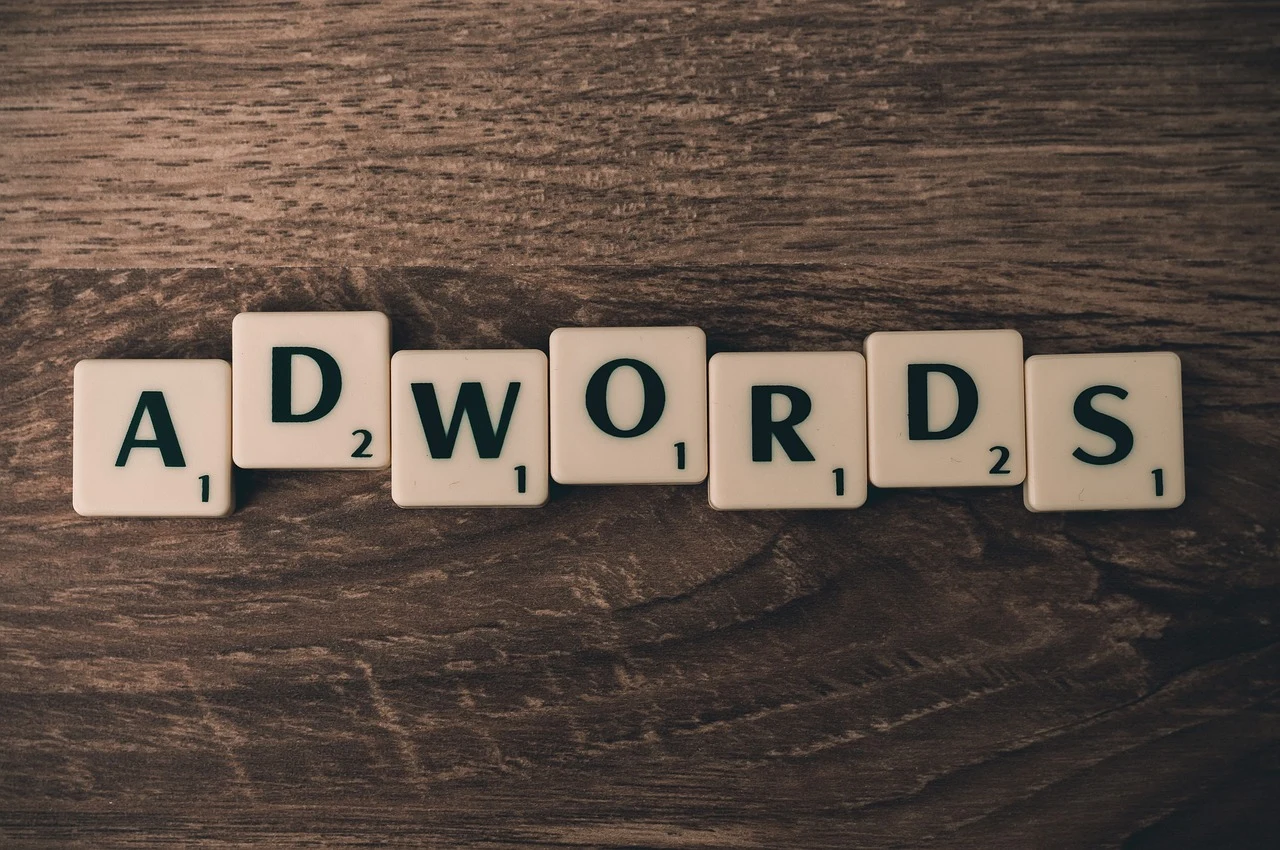
SEM SEO Alignment: Reach the Top Without Wasting Your Search Engine Ad Budget
To turn ad clicks into organic rankings, combine search intent, query performance, and conversion-driving messages in a single decision table. SEM SEO alignment shows which queries your ad budget points to for content decisions that will improve organic visibility.
3 Data Layers That Turn Ad Clicks Into Organic Rankings
Analyzing the Click-through Rate Difference Between Ads and Organic Results by Search Intent
Don't treat the same keyword as a single group; separate the query's informational, comparison, or purchase intent. For purchase-intent queries, ad copy can stand out with price, offer, or delivery information. Users seeking information may prefer an organic guide, comparison, or solution page.
Examine the click-through rate in the ad panel together with the rate in organic results. If the difference is significant, check the message alignment on the results page. If the ad promises a solution while the organic page talks about something else, the title and description are not meeting user expectations.
| Layer | Check | Action |
|---|---|---|
| Search intent | Query type | Choose content format based on intent |
| Click | Ad-organic difference | Match the title message |
| Conversion | Target action | Prioritize value-generating queries |
Matching High-impression, Low-click Queries in Google Search Console With Ad Data
Export queries in Google Search Console that receive high impressions but few clicks. Then match them with search terms, cost per click, and conversion data in your ad account. Queries that generate qualified actions in ads but no clicks organically are priority candidates for content updates.
For example, if a query drives users to a request form in ads, but the organic page opens to a general category, user intent may not be met. Add a query-specific section, a clear benefit explanation, relevant FAQs, and internal links.
Adapting the Highest-converting Headline Patterns in Ad Copy to Organic Titles
Don't copy the highest-clicked ad headline directly to the page title; identify the pattern that drives conversions. Whichever ads highlight the user's problem, solution promise, use case, or decision-simplifying phrase, carry that structure naturally into the organic title.
If the phrase "practical solution for X" brings qualified visits in ads, prove the same promise with page content in the organic title. The description and first paragraph should also expand on this promise. After the change, compare impressions, clicks, and target action trends over the same date range.
SEM SEO: a Tactic for Managing Ads and SEO Simultaneously to Protect Your Budget
The way to protect your ad budget is not to cut paid visibility all at once, but to reduce spending in a controlled way as organic performance strengthens. If you track search term data, page quality, and conversion intent in the same plan, ads and SEO won't consume each other's budget.

Reduce Spending on Non-brand Keywords and Test Organic Clicks
First, group non-brand queries by conversion intent, current organic position, and ad cost. Reduce budget in small steps on pages that are visible in organic results; at the same time, monitor changes in organic clicks, conversions, and total visibility. Before turning off the ad completely, check results on different devices and locations.
If an organic page has gained consistent visibility for an informational query, spending can be reduced gradually. If organic clicks increase while qualified leads or sales are maintained, shift budget to weaker pages. If total conversions drop, turn the ad back on and examine the organic page's intent alignment.
| Signal to monitor | Decision to apply |
|---|---|
| Organic clicks increasing, conversions maintained | Reduce spending in a controlled way |
| Total conversions decreasing | Restore ad visibility |
Move Negative Keywords Into the Content Plan
Negative keywords in ad campaigns don't just prevent unnecessary clicks; they also show what the target audience is not searching for. When transferring the list to the content team, divide terms into clusters such as "wrong intent," "irrelevant product," "free search," and "job search intent." This way, content titles and internal links are prepared without creating false expectations.
A term may be unsuitable for a sales page but valuable for an explanatory guide. Instead of excluding the word entirely, determine which page type it fits. SEM SEO reduces both ad waste and the risk of quick page exits.
Close the SEO Gap on Advertised Pages With Otomasyum
A landing page that constantly receives ad budget may lack sufficient content coverage or technical suitability on the organic side. With Otomasyum's artificial intelligence-powered content generation, keyword strategy, and technical SEO analysis features, you can identify content gaps on these pages. The goal is not to copy ad copy, but to answer the user's questions during the decision process on the page.
Prioritize high-cost and high-intent pages. Review the heading structure, explanatory sections, and related content links. Search Console queries can show which questions the page fails to answer. Make the next budget decision by comparing ad and organic results over the same date range.
Frequently Asked Questions
Do Search Engine Ads Directly Affect SEO Rankings?
No. Search engine ads do not directly improve organic SEO rankings. Ads can increase visibility and clicks; organic rankings are determined by page quality, content usefulness, technical accessibility, and link signals.
However, ad data is valuable for SEO. By identifying conversion-driving queries, the language users use, and successful landing pages, you can create organic pages that meet this intent.
What Is SEM SEO?
SEM SEO is the management of search engine advertising and search engine optimization with shared data. SEM provides fast visibility in search results through paid ads; SEO improves organic rankings through technical structure, content, and authority work.
In SEM SEO, search term and conversion data from ad campaigns guide the SEO content plan. As organic pages strengthen, ad spending can be reduced for suitable queries; for high commercial intent or short-term campaign queries, ad visibility is maintained.
| Priority | Action |
|---|---|
| SEO page | Improve the weak page |
| Ad query | Address the converting query in content |
First, fix technical errors, duplicate content, and pages that don't meet intent. Then shift budget from inefficient queries to campaigns and pages with higher conversion potential.
Which Keywords Should I Invest in SEO Instead of Ads?
Prioritize SEO for informational and comparison-oriented keywords that are searched regularly. For these queries, ad costs are ongoing; a well-prepared and regularly updated page can bring organic visits in the long term.
For keywords with very high purchase intent, intense competition, or limited campaign duration, ads play a protective role. When deciding, compare these criteria:
- Organic page: content coverage, technical status, and ranking potential.
- Ad: conversion value, cost per click, and campaign duration.
First, strengthen information and category pages; then redistribute the ad budget based on results.
Otomasyum AI
Prepared by the Otomasyum content engineering and AI integration team to help you put your site on autopilot.
Something on your mind?
You can talk to our team to get more information about our content engineering processes.
Get in Touch