Catch Instant Demand Surges in Summer E-commerce with AI
Leverage AI-powered solutions to manage instant demand surges and optimize inventory in summer e-commerce. Prevent lost sales and excess stock with smart a…
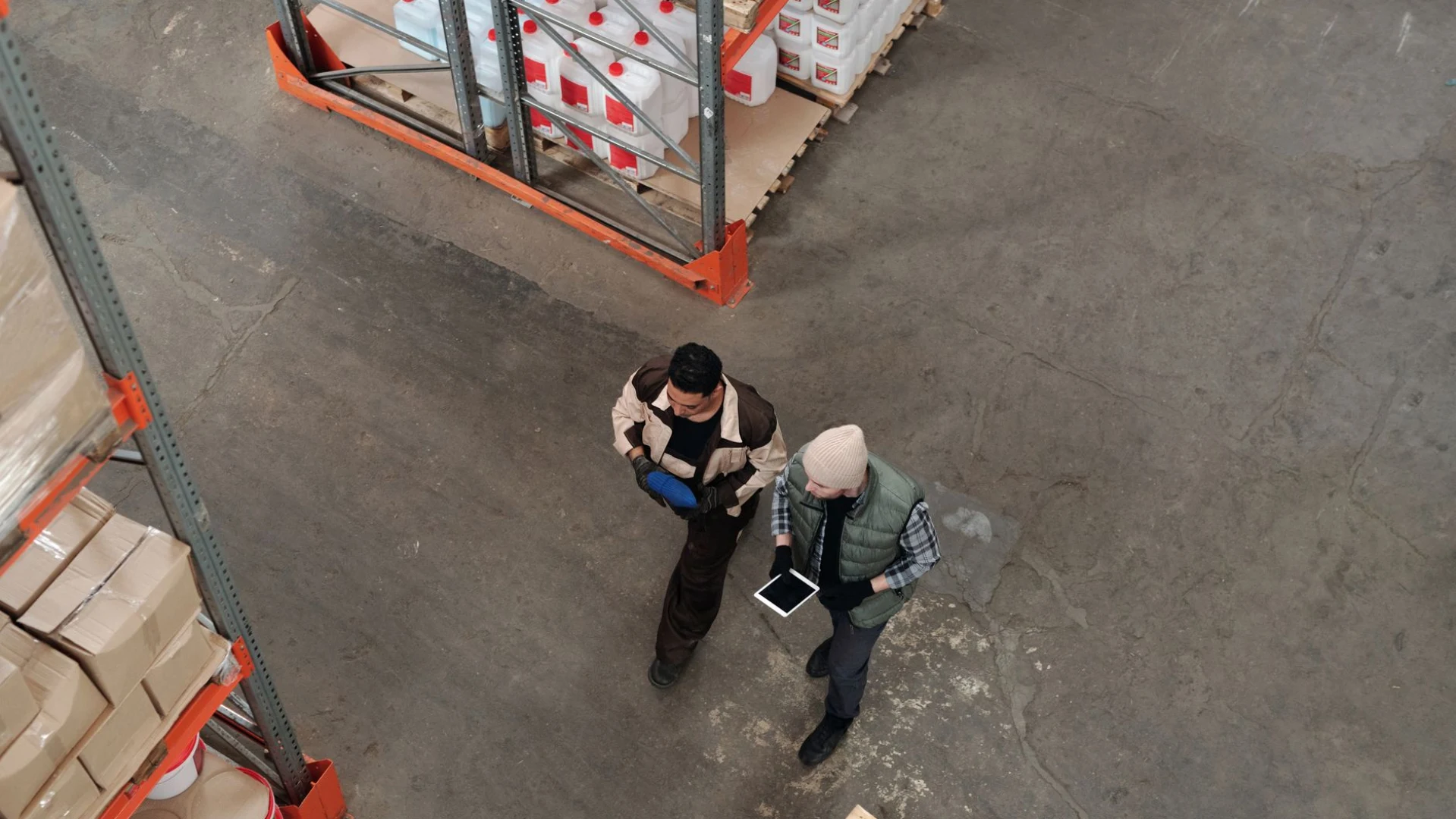
You can manage unexpected demand increases during the summer period with artificial intelligence-supported rules that monitor sales and stock signals together. By prioritizing fast-selling products, critical lead times, and sales channels, you reduce both missed sales and unnecessary stock accumulation.
Strengthening Inventory Management During Unexpected Demand Surges with AI-Powered Summer E-commerce
Identifying Prominent Products in the Summer Season Through Historical Data Analysis
The first step is not just looking at last summer's total sales. Segment orders by day, sales channel, product type, size, and color; separately mark discount, holiday, weather, and campaign days. The system captures recurring demand patterns more effectively with this distinction.
Classify products by sales velocity and lead time. Define earlier thresholds for fast-selling products with long replenishment times; avoid carrying unnecessary safety stock for those that can be supplied quickly. Review forecasts weekly and compare them with actual sales.
Preventing Stockouts with Instant Stock Alerts and Automated Order Suggestions
Stock alerts should trigger not when a product is completely out, but when the current quantity cannot meet the expected sales velocity. Include open orders, inter-warehouse transfers, and cancellation rates in the alert rule. Otherwise, the quantity displayed on screen might mislead your purchasing decision.
| Monitored Signal | Action to Take |
|---|---|
| Accelerating sales | Advance reorder threshold |
| Delayed delivery | Evaluate alternative supplier |
| Inter-warehouse discrepancy | Plan stock transfer |
Next to each alert, display the suggested order quantity, delivery date, and responsible person. This visibility makes it easier for the purchasing team to determine which products to approve first. Before automatically sending an order suggestion, check supplier capacity, minimum order quantity, and current price.
Ensuring Supply Chain Flexibility with AI-Based Forecasts
The forecasting system should not rely on a single figure; it should generate scenarios for normal, rising, and limited supply. Pre-define which supplier, which warehouse, and which product alternative will be activated in each scenario. This way, the team doesn't make hasty decisions when demand increases.
Input delivery delays from suppliers into the system and immediately recalculate the forecast. Cross-check products with similar functions to prepare alternatives for customers; also verify that the stock information on the product page is synchronized across all sales channels. Check the integration settings of the tools you use against the latest documentation.
Instantly Deciphering Summer Shopper Habits: The Role of Artificial Intelligence-Powered Summer E-commerce
Summer shoppers' habits can be instantly deciphered by combining in-session intent signals; artificial intelligence transforms these signals into targeted offers, content, and channel selection. For this, don't just look at sales records; monitor search terms, category navigation, filter usage, add-to-cart actions, device, region (if location permission is granted), and abandonment steps in the same view. The goal is to offer a useful next step related to their needs, rather than random discounts that annoy visitors during the short decision window of the holiday season.

Creating Personalized Campaigns with Real-time Customer Behavior Analysis
To set up campaigns based on behavior, first clarify the events you want to measure: product viewing, size or feature filtering, opening delivery information, coupon attempts, and abandoning the payment page each carry distinct meanings. Segment these events into rule-based clusters; for example, for someone who examined the delivery page but didn't purchase, offer a message explaining delivery times and return conditions instead of a discount. Do not publish the model's suggestion directly; ensure campaign text, price promises, visuals, and permission preferences undergo human review.
| Signal to Monitor | Possible Intent | Action to Apply |
|---|---|---|
| Repeated filter use on mobile | Narrowing down suitable product | Sorting by selected criteria |
| Opening delivery information | Concern about pre-holiday arrival | Clear delivery option |
| Cart abandonment | Indecision or friction | Short reminder asking about the issue |
Enhancing User Experience in Mobile Shopping with Artificial Intelligence
The main problem making decision-making difficult on mobile screens is that holiday shoppers have to scroll too much to compare options during their short sessions. Artificial intelligence-powered sorting can reorder the product list based on the visitor's viewed category, selected criteria, and previous interactions; however, clearly state the effect of price, sponsored content, or personalization. Set up suggestions in the search box that interpret typos, synonymous queries, and product features; if there are no results, show nearby categories instead of sending the user to a blank page.
Choose the two most frequently used mobile flows: transitioning from search results to a product, and proceeding from cart to payment. Observe tap counts, error messages, page load times, and abandonment points in each flow; test personalization with a single change that reduces this barrier. Evaluate whether suggestions are truly useful not only by conversion but also by quality indicators such as search refreshes, return requests, and support inquiries. Regularly check the up-to-date documentation and permission settings of the tools you use for payment, notification, and personal data processing steps.
Frequently Asked Questions
Are AI-powered summer e-commerce solutions suitable for small businesses?
AI-powered summer e-commerce solutions are suitable for small businesses; however, first choose a single, measurable bottleneck. The most practical starting points are product recommendations, answering frequently asked questions, or demand forecasting during the increased order volume of summer.
Before connecting an AI-powered summer e-commerce tool with your store, payment, and inventory systems, test it in a trial environment. Compare monthly fees, setup time, data transfer, and human oversight requirements. Regularly monitor return rates, out-of-stock sales, and cart abandonment to verify the tool's benefits.
How can I increase customer satisfaction in the summer season with artificial intelligence?
You can increase customer satisfaction in the summer season with artificial intelligence through accurate product information and fast, supervised responses. In your AI-powered summer e-commerce store, limit chat responses to delivery, return, and size information; transfer ambiguous requests to agents.
First, classify the most common questions and compare response drafts with your actual policy texts. Keep usage, measurements, delivery date, and stock status clear on the product page; artificial intelligence should present this data consistently. Weekly review incorrect responses, delayed deliveries, and return reasons to correct the knowledge base.
What is AI-powered summer e-commerce?
AI-powered summer e-commerce is a component used in the application discussed in this article. What it does, under what conditions it is preferred, and which criteria are decisive during selection are explained in detail in the relevant sections.
Otomasyum AI
Prepared by the Otomasyum content engineering and AI integration team to help you put your site on autopilot.
Something on your mind?
You can talk to our team to get more information about our content engineering processes.
Get in Touch